
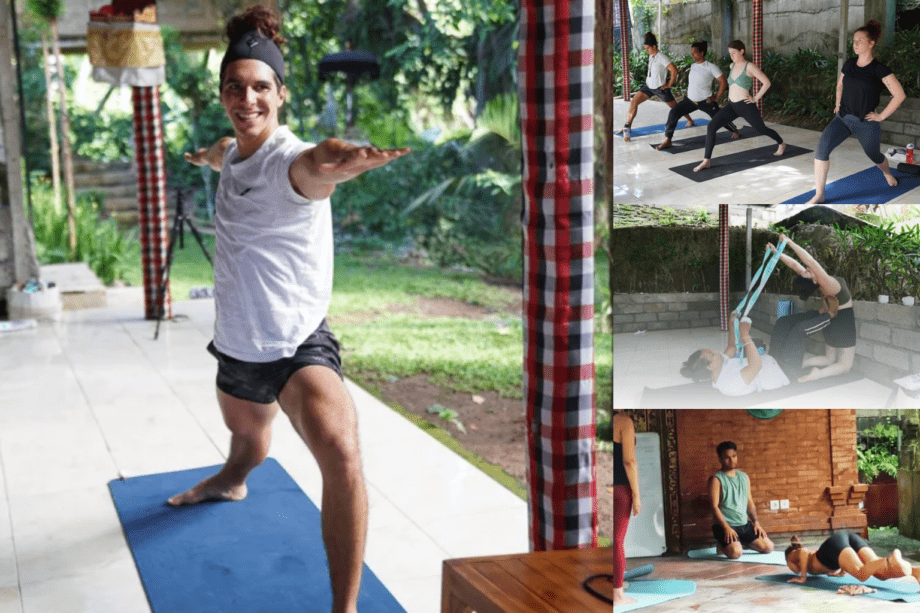
“Ashtanga vs. Vinyasa vs. Hatha: Which Yoga Style is Right for Your Teacher Training?”
Choosing an Ashtanga vs Vinyasa vs Hatha yoga teacher training program is a deeply personal,
career-shaping decision. Let’s break down the core differences, strengths, and
teaching outcomes of Hatha, Vinyasa, and Ashtanga yoga.
Understanding the Foundations of Yoga Teacher Training
Before choosing a lineage, you need to understand what a standard Registered
Yoga School offers. Most foundational certifications are 200-hour programs
structured around Yoga Alliance standards.
A high-quality YTT is a comprehensive educational experience that breaks down
into several pillars, such as anatomy and physiology, yoga philosophy,
teaching methodology, and practicum.
What Is Hatha Yoga?
Hatha is the umbrella term for almost all physical yoga. In modern western
studios, a Hatha yoga teacher training focuses on a distinct, classical style
of practice.
Hatha yoga emphasizes static, longer-held postures paired with breath
awareness. It focuses on structural alignment, stability, and mental
stillness. In a Hatha class, you transition into a pose, hold it for several
breaths, and then completely release before moving to the next.
What Is Vinyasa Yoga?
Vinyasa is motion. A Vinyasa yoga teacher training teaches you how to string
postures together creatively. Instead of independent movements, the
transitions are the poses. Instructors curate rhythmic, fluid sequences often
set to uplifting music, making it highly popular in modern fitness spaces and
wellness studios.
The Core Difference Between Hatha and Vinyasa
The primary
difference between hatha and vinyasa
lies in pacing and structure. Hatha separates poses with clear pauses,
prioritizing alignment within stillness. Vinyasa links poses continuously on
an inhale or an exhale, prioritizing the fluid state of
meditation-in-motion.
What Is Ashtanga Yoga?
Ashtanga is a highly disciplined, traditional lineage. Ashtanga utilizes a
fixed, unchanging order of postures that the student memorizes. The practice
is physically intense, demanding, and deeply purifying.
Ashtanga vs Vinyasa: Same Roots, Different Rules
When comparing
Ashtanga vs Vinyasa,
it helps to know that Vinyasa actually evolved out of Ashtanga. Both use
dynamic movement and breath synchronization. However, Ashtanga enforces strict
structure, repetition, and unwavering discipline. Vinyasa sheds those rules,
embracing artistic variation, unpredictable sequencing, and adaptable
pacing.
Ashtanga vs. Vinyasa: Which Style Fits Your Personality?
| Feature | Ashtanga Personality | Vinyasa Personality |
| Mindset | Thrives on routine, discipline, and measurable daily progress. | Thrives on variety, creative expression, and adaptability. |
| Sequencing | Loves the comfort of knowing exactly what pose comes next. | Enjoys the surprise of an evolving, unpredictable flow. |
| Teaching Goal | Wants to refine technical mastery and coach dedicated practitioners. |
Wants to craft unique experiences, themes, and fun studio playlists. |
What Type Of Yoga Is Best For Teacher Training?
The truth is, there is no single perfect style. When deciding
what type of yoga is best for teacher training,
the right choice depends entirely on your personal career goals and
physical realities.
Hatha:
Best if you want to teach accessible yoga, therapeutics, gentle restoratives,
or work heavily with beginners.
Vinyasa:
Best if you want a commercially viable certification that allows you to teach
in mainstream studios, gyms, and wellness retreats worldwide.
Ashtanga:
Best if you want to cultivate intense personal discipline, specialize in
hands-on adjustments, and teach within dedicated traditional spaces.
Frequently Asked Questions
What is the difference between Hatha and Vinyasa yoga?
Hatha yoga focuses on static, individual postures with distinct pauses and an
emphasis on alignment. Vinyasa yoga links postures together continuously in a
fluid, breath-synchronized sequence.
What type of yoga is best for teacher training?
The best type depends on your goals. Hatha is ideal for learning foundational
alignment and teaching beginners. Vinyasa is perfect for fast-paced, creative
studio environments. Ashtanga is best for those seeking structure and
traditional mastery.
Your yoga teacher training is a transformational milestone that resets your
lifestyle. Join us today at Mantra Yoga Meditation School in Bali
or learn about our 200 hour yoga teacher training in Bali. If you wish to advance, check our
Ubud yoga teacher training options, compare
ashtanga vs vinyasa flow yoga, see our guide on
how to choose the best yoga teacher training in Bali,
read about the 200 hour yoga teacher training in Bali costs, and understand if a
200 hour yoga teacher training is enough to teach globally. Learn more about yoga standards via
Yoga Alliance.
