
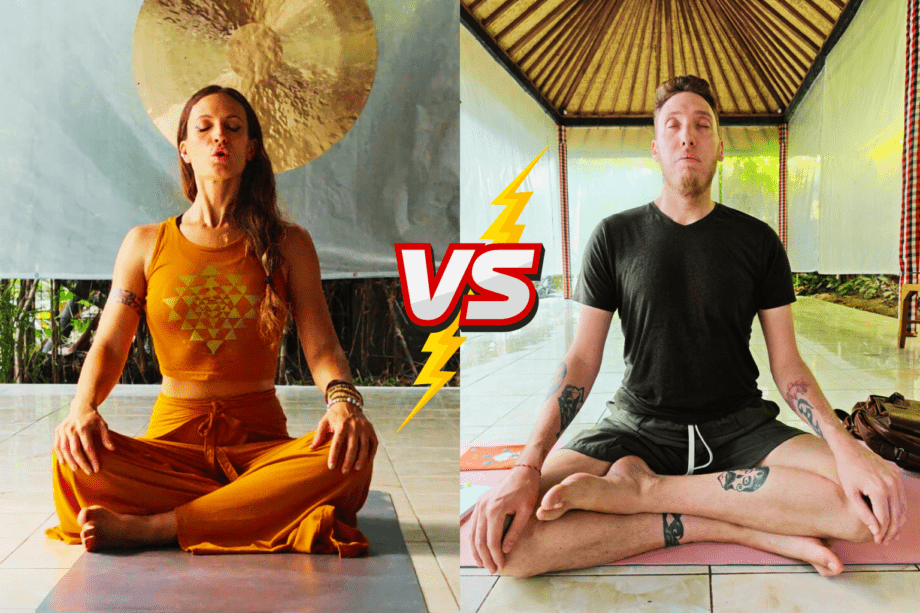
Breathwork vs Meditation: Which Is Better for Emotional Release?
For many people, simply sitting still and “watching thoughts” can feel frustrating or even impossible — and that’s totally normal. The mind is built to think. If traditional meditation feels boring, difficult, or overwhelming, you may simply need a more active tool. That’s where the breathwork vs meditation conversation becomes powerful. Both practices are transformative — they just work on the nervous system in different ways.
The Core Difference: Breathwork vs Meditation
Meditation: The Art of Awareness
Meditation is generally a passive practice. You sit, observe, and allow thoughts to pass like clouds. Over time, this builds clarity, patience, and emotional steadiness. You train the mind to respond instead of react — a powerful life skill.
Breathwork: The Catalyst for Change
Breathwork is active. Through intentional breathing patterns, you directly influence your physiology and emotional state. It bypasses the thinking mind and communicates straight with the nervous system, making it one of the most effective somatic release exercises available.

Who Is Each Practice Best For?
Meditation is ideal for you if:
You feel grounded and want to deepen focus.
You’ve already explored mindfulness.
You want long-term emotional steadiness.
You’re cultivating awareness and clarity.
Breathwork is ideal for you if:
You’re an overthinker.
You feel stress in your chest, shoulders, or gut.
You want results you can feel quickly.
You’re processing emotional wounds — because healing trauma through breath can access places that talk alone can’t.

The Science Behind Somatic Release Exercises
Breathwork works from the bottom up. By changing your breath, you send calming signals through the vagus nerve to the brain. This can move you out of stress mode and into regulation — which is why many people experience holotropic breathwork benefits such as emotional release, insight, and deep calm.
A 3-Minute Reset: Box Breathing
Want to try it? Box breathing is used by athletes and first responders to stay centered during pressure. Just breathe in, hold, exhale, and hold — each for equal counts. Short, simple, powerful.
What To Expect
You may feel tingling, warmth, or a sense of pressure melting away. That’s your nervous system settling. The rhythm gives your mind something tangible to focus on — and the body begins to feel safe again.
Why Many Modern Seekers Choose Breathwork First
Breathwork meets you where you are — even in intense emotion — and gently guides you downward into peace. The release can be physical, emotional, or deeply introspective. For many, the results feel immediate and validating.
Finding a Safe Place for Healing
Short techniques are a great start, but deep emotional release is safest with experienced guidance.
At Mantra Yoga School, we specialize in active healing modalities and supportive certification programs designed for safe exploration and growth.
Whether your goal is personal transformation or learning how to guide others through somatic release exercises, active participation often becomes the missing link.
Final Thoughts
So — breathwork vs meditation: which is better?
If you want awareness and discipline, meditation is your lifelong companion.
If you want emotional release, nervous system healing, and clarity — breathwork may be the key you’ve been searching for.
Explore guided breathwork sessions or professional training with us — and take the next step toward healing.
