
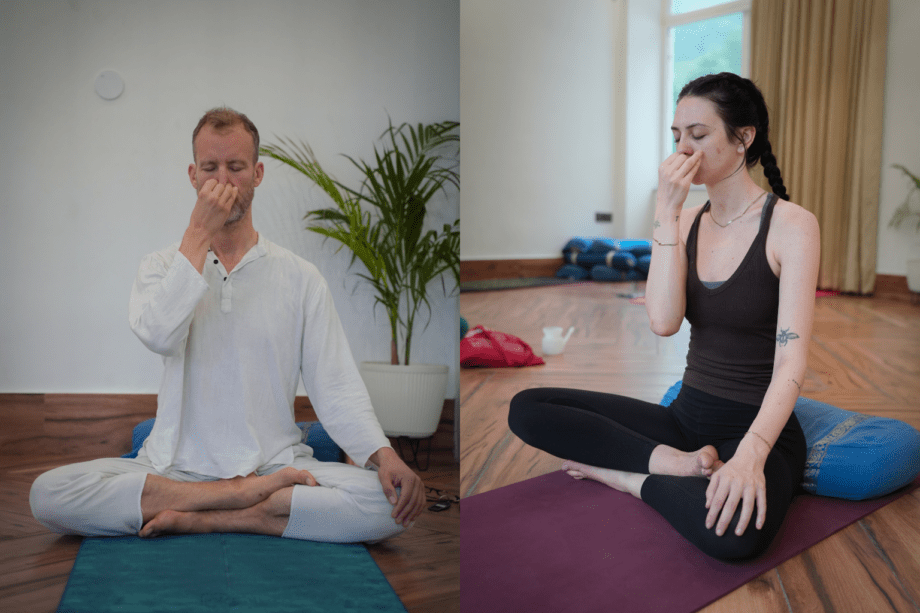
Learn Somatic Breathwork In Rishikesh India
Rishikesh has long drawn travelers seeking meditation, classical philosophy, and yogic disciplines. When learning somatic breathwork in Rishikesh, practitioners discover a vibrant Himalayan hub for contemporary nervous-system regulation alongside ancient traditions. Many enthusiasts travel to northern India to integrate somatic awareness, conscious breathing, and nervous-system education into their existing wellness routines.
What Is Somatic Breathwork?
Somatic breathwork refers to an experiential approach to breathing that emphasizes internal physical sensations rather than rigid breathing mechanics alone. It encourages practitioners to observe how the breath interacts with the physical and emotional body. Common elements include:
- Internal Sensation Awareness: Tuning into physical sensations such as warmth, tension, tingling, or heaviness as the breath moves.
- Mindful Movement: Pairing natural breath rhythms with gentle somatic movements to release physical holding patterns, as outlined in our somatic breathwork training guide.
- Emotional Observation: Allowing room for emotional states to arise, be acknowledged, and settle without judgment, exploring the therapeutic benefits of breathwork.
- Down-Regulation and Relaxation: Supporting the body’s transition into rest states through grounded exhalations and vocal toning, understanding the difference between pranayama and breathwork as well as pranayama vs somatic breathwork.
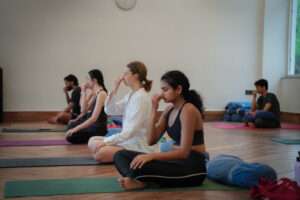
How Somatic Breathwork in Rishikesh Complements Yoga Training
Many aspiring instructors travel to northern India specifically to complete a 200-hour yoga teacher training in Rishikesh or an advanced 300-hour yoga teacher training in Rishikesh certified by Yoga Alliance. Integrating somatic breath principles into yoga studies can significantly enrich a teacher’s educational foundation, helping them:
- Refine internal physical alignment by listening to felt sensations rather than forcing poses.
- Cultivate grounded teaching presence and clear verbal pacing during pranayama breathing techniques.
- Introduce subtle, trauma-aware cues into posture instruction.
- Deepen personal meditation and restorative self-practice alongside meditation and sound healing teacher training in Rishikesh.
Is Somatic Breathwork Suitable For Beginners?
Beginning your journey with gentle somatic breath practices allows you to explore conscious breathing with skilled mentors in a supportive, mindful environment. Beginners can safely learn introductory practices, provided the training emphasizes gradual progression and gentle awareness. If you are new or considering an online pranayama course, prioritize programs that offer:
- Clear foundational explanations of breath mechanics.
- Moderate pacing that avoids forced breathing or prolonged hyperventilation.
- Accessible instructors who provide space for questions and personal check-ins.
- Transparent safety guidelines and modifications.
Safety Considerations for Somatic Breathwork
Conscious breathing practices influence heart rate, blood chemistry, and autonomic nervous-system activity. Dynamic or continuous breathing can trigger strong sensations, such as dizziness, muscle tetany, or intense emotional release. To practice safely:
- Never force the breath: Allow respiratory cycles to expand gradually without strain.
- Communicate openly: Inform your instructor beforehand about any preexisting physical conditions or concerns.
- Seek medical guidance: For specific medical conditions, consult a licensed physician before participating in intensive breath sessions.
Somatic Breathwork and Personal Growth
Somatic breath practices offer a practical framework for self-inquiry, often complemented by immersive programs like our breathwork and sound healing retreat, in-depth breathwork teacher training in Bali, or advance breathwork teacher training. Practitioners often report:
- Enhanced awareness of physical tension patterns.
- Greater day-to-day capacity to pause and regulate reactions to stress.
- A more patient, compassionate relationship with their internal emotional landscape.
- Deeper presence during daily yoga, breathwork, and meditation practice.
Enroll in certified somatic breathwork in Rishikesh at Mantra Yoga Meditation School, or explore our specialized sound healing training courses in Rishikesh. Contact us today for more details.
