
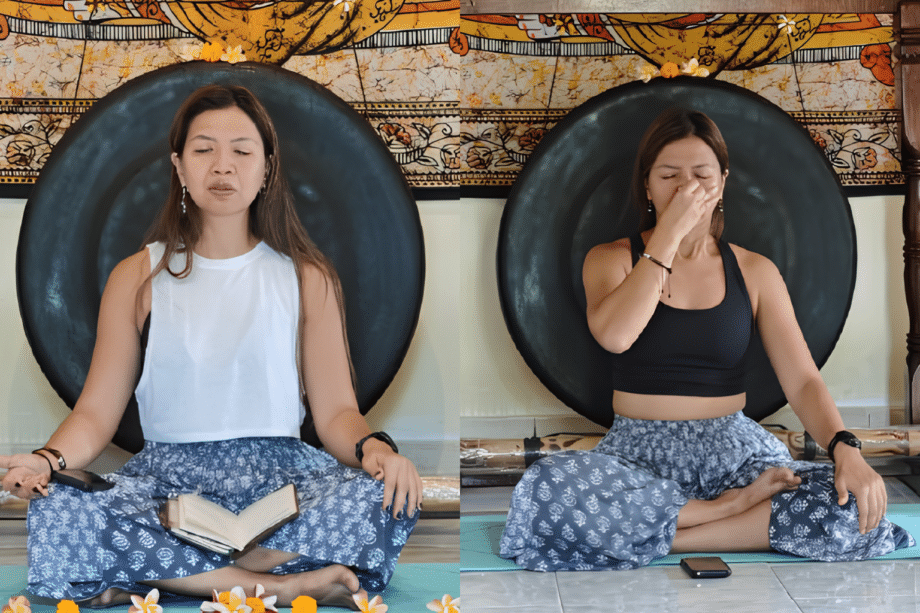
Pranayama vs. Modern Breathwork: Science, Origins, and Which One You Need
While modern breathwork workshops attract global attention, Indian yogic traditions have systematically studied breath regulation through pranayama for centuries. This raises a question in the pranayama vs breathwork conversation: are they simply different names for the same practice or do they serve distinct purposes?
Understanding the difference between pranayama and breathwork begins with recognizing that traditional pranayama is a form of intentional breathwork, whereas modern breathwork is a contemporary umbrella term covering diverse therapeutic, performance, and self-awareness methods.
Pranayama vs. Breathwork: The Ancient Science Behind the Modern Trend
| Attribute | Traditional Pranayama | Modern Breathwork | Neurological Mechanism |
| Origin | Rooted in Indian yogic traditions | Developed through diverse contemporary | Historical origin does not determine physiological response |
| Primary intention | Regulation of breath and cultivation of prana within a yogic framework | May focus on relaxation, emotional exploration, self-awareness, or performance | Different techniques influence respiratory and autonomic responses |
| Breathing patterns | Includes slow, controlled, alternating, and sometimes retained breathing | Ranges from gentle conscious breathing to rapid or connected breathing | Breathing rate, depth, and pattern influence CO2 and autonomic activity |
| Breath retention | Kumbhaka is used in selected traditional practices | Varies by method | Alters respiratory gases and physiological responses |
| Energy philosophy | Prana, nadis, and traditional yogic concepts | Often uses modern psychological and physiological frameworks | Traditional energy concepts should not be presented as anatomically established structures |
| Nervous system effects | Certain practices may support relaxation and autonomic regulation | Effects vary widely | Respiratory patterns can influence heart rate variability, CO2 levels, and autonomic responses |
| Typical examples | Nadi Shodhana, Bhramari, Ujjayi, Kapalabhati | Box breathing, coherent breathing, Holotropic Breathwork, connected breathing | Effects depend on technique, intensity, duration, and individual health |
What Is the Fundamental Difference: (Energy Channeling vs. Hyperventilation)
When comparing ancient yogic breathing vs modern breathwork, the core distinction lies in philosophical context and intent.
Within classical Indian texts, pranayama prepares the mind for stillness and meditation. Practitioners cultivate awareness, steady rhythm, and gradual breath retention to influence the subtle flow of prana through nadis. Pranayama, alongside calming practices like Nadi Shodhana, Bhramari, and Ujjayi, includes vigorous cleansing techniques such as Kapalabhati and Bhastrika.
Modern breathwork encompasses contemporary techniques developed across psychology, sports science, and personal development. While some methods like Holotropic Breathwork or conscious connected breathing use sustained, accelerated breathing to alter awareness or explore emotions, others rely on gentle regulation. Box breathing, coherent breathing, and diaphragmatic breathing focus on pacing and mechanical efficiency rather than energetic philosophy.
The Neuroscience of Breath: How Pranayama Modulates the Autonomic Nervous System
The Autonomic Nervous System: Your autonomic nervous system balances the sympathetic branch and the parasympathetic branch.
The Vagus Nerve and Pranayama: Research into vagus nerve pranayama highlights how slow breathing enhances respiratory sinus arrhythmia.
Pranic Energy and the Nervous System: Discussions around pranic energy nervous system connections require clear boundaries. Prana is a traditional philosophical concept describing vitality, whereas physiology tracks oxygen uptake, carbon dioxide clearance, and neural signaling. They are complementary lenses, not identical anatomical structures.
Carbon Dioxide and Hyperventilation: Rapid, deep breathing expels carbon dioxide faster than the body produces it. Taking in more air does not automatically improve oxygen delivery; maintaining balanced carbon dioxide levels is essential for haemoglobin to release oxygen to tissues.
Comparison Breakdown: Techniques, Safety Protocols, and Retention (Kumbhaka)
Traditional Yogic Techniques
Nadi Shodhana: Alternate-nostril breathing traditionally used to balance mental focus and steady the breath.
Bhramari: Humming bee breath, pairing a long exhalation with vocal vibration to encourage quietude.
Ujjayi: Gentle throat constriction creating an audible, paced breath often paired with posture practice.
Kapalabhati: A cleansing kriya featuring sharp, active exhalations and passive inhalations.
Kumbhaka: Controlled breath retention practised only after mastering steady inhalation and exhalation.
Modern Breathwork Techniques
Box Breathing: Equal-count inhalation, hold, exhalation, and pause used for focus and stress management.
Coherent Breathing: Gentle, unforced breathing paced at roughly five breaths per minute.
Diaphragmatic Breathing: Training efficient abdominal expansion rather than shallow chest breathing.
Connected Breathing: Continuous inhalation and exhalation without pauses, used in somatic exploration.
Holotropic Breathwork: An intensive, facilitated practice combining accelerated breathing with evocative music.
Holotropic Breathwork vs. Kapalabhati
Comparing holotropic breathwork vs kapalabhati highlights why context matters. Kapalabhati originates in Hatha Yoga as a short, rhythmic cleansing exercise punctuated by periods of natural breathing. Holotropic Breathwork, developed in the 1970s, involves prolonged, continuous hyperventilation within a screened, supervised group setting. Kapalabhati should never be treated as continuous rapid breathing, and Holotropic Breathwork requires qualified facilitation and participant screening.
Contraindications: When Modern Breathwork Is Risky and When Gentle Pranayama May Be More Appropriate
Neither approach is universally risk-free. Intensive breathing practices can trigger dizziness, tingling, muscle cramping, fainting, or acute emotional distress.
Ethical practice requires proper screening, informed consent, qualified supervision, and permission to stop immediately if discomfort arises. While breathwork does not permanently damage the nervous system, poorly guided intensity can provoke distressing acute reactions, and pranayama should never be viewed as a standalone medical cure.
Which One Is Better for Anxiety: Pranayama or Modern Breathwork?
For everyday stress, slow, gentle practices—such as Nadi Shodhana, Bhramari, or basic diaphragmatic breathing—are often more accessible starting points than rapid breathing, which can mimic the physical sensations of panic. Anyone experiencing persistent or severe anxiety should seek guidance from a qualified healthcare professional.
Frequently Asked Questions (FAQs)
Can breathwork damage your nervous system?
Breathwork does not generally damage the nervous system.
Is breathwork just pranayama with a different name?
No. Pranayama is an ancient Indian yogic discipline. Modern breathwork is a contemporary umbrella term.
Which is better for anxiety: Pranayama or Breathwork?
Gentle pranayama and slow-paced breathing often support everyday stress management, whereas rapid breathwork may feel overwhelming for people prone to panic.
Contact us today for more details.
